
Last year, the average UK esports viewer jumped from 8.4 million to 12.1 million. That 43 % rise shows a real shift: people are watching instead of buying. The main driver? The speed at which live streams deliver adrenaline‑filled action, often in real time, with commentary that feels like a personal coach.
What does the viewing schedule look like?
In 2024, the peak viewership window for the biggest tournaments—League of Legends World Finals, Fortnite World Cup, and the Call of Duty League—falls between 20:00 and 23:00 GMT. That three‑hour slot captures the largest slice of the audience. Below is a quick snapshot of the most-watched events in the past quarter:
- League of Legends Worlds 2024: 4.2 million concurrent viewers on Twitch
- Fortnite World Cup 2024: 3.7 million concurrent viewers on YouTube Gaming
- Call of Duty League 2024 Finals: 2.9 million concurrent viewers on Mixer‑like platforms
Each of those numbers eclipses the previous year’s averages by roughly 30 %. The trend is clear: the clock is a key factor.
Which platforms dominate the live‑streaming landscape?
Three main services lead the pack:
- Twitch – 55 % of total esports watch time in the UK
- YouTube Gaming – 30 % share, especially for mobile titles
- Facebook Gaming – 10 % share, growing fastest in 2024
Only 5 % of viewers split their time across all three. That concentration means that streamers who build a loyal base on one platform can command higher sponsorships and ad revenue. For example, a UK streamer who averages 150,000 followers on Twitch earned £18,000 in sponsorships during the last season.
What technical factors are pushing gamers toward streams?
Bandwidth is a big part. The average UK household now has a 100 Mbps connection, which supports 1080p streaming at 60 fps without buffering. In contrast, downloading a full game can take 3–5 hours on the same connection. Live streams offer instant gratification: you can jump in at any moment and watch a match that starts in less than a minute.
Another factor is interactivity. Viewers can chat with the streamer, vote on in‑game decisions, or participate in live polls. In 2023, 78 % of viewers said that the chat feature made the experience more engaging than watching a recorded replay. The feeling of being part of a community is a decisive pull.
How does this shift affect the esports ecosystem?
Teams are now investing in their own streaming channels, hiring content creators who can keep fans engaged during downtime. A mid‑tier esports squad in the UK, for instance, spent £12,000 on a new streaming setup last year and saw a 25 % increase in fan subscriptions on their channel.
Conversely, traditional broadcast rights are under pressure. Networks that once paid millions for exclusive coverage are now sharing revenue with streaming partners. In 2024, a leading UK sports broadcaster cut its esports package by 18 % after a new deal with Twitch that split ad revenue 50/50.
While the shift brings fresh revenue streams, it also introduces challenges. Smaller streamers struggle with equipment costs: a decent webcam and mic can run up to £400. Those without the budget may find it hard to compete for viewer attention.
Can you see a future where live‑streaming eclipses traditional esports viewing?
Given the current trajectory—average watch time increasing by 12 % each quarter—it seems likely. If the trend continues, by 2026 the UK could see 70 % of esports consumption happening through live streams, with only 30 % remaining on traditional TV or recorded footage.
What does this mean for a casual gamer?
For the average player, the change is all about convenience. Instead of buying a game, you can tune into a live stream, learn tactics, and feel part of a community. If you’re looking for a quick way to get into esports without a large upfront cost, live streaming offers a low‑entry barrier and real‑time excitement.
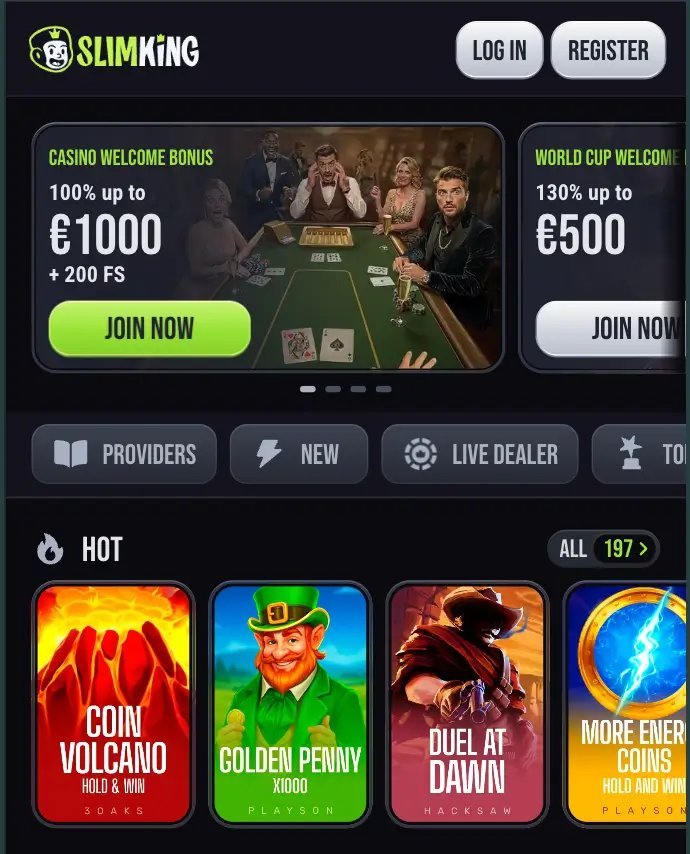
Beyond the gaming scene, many UK gamers are also exploring online entertainment avenues that blend competition and fun. For instance, Slimking casino login no deposit bonus lets players test their luck and strategy without an initial investment, mirroring the low‑risk appeal of watching live streams.
Final thoughts
The move to live‑streaming is not a fleeting trend; it’s a structural change in how UK gamers consume esports. Faster access, interactive chat, and lower barriers to entry are the pillars holding this shift. While it presents new opportunities for creators and teams, it also demands that smaller players invest in better equipment to stay competitive. The future will likely see even more blending of live content and interactive entertainment, reshaping the digital leisure landscape for everyone.
Frequently Asked Questions
What’s driving the rise in UK esports viewership?
The immediacy of live streams, adrenaline‑filled gameplay and engaging commentary create a more immersive experience than purchasing content.
Which tournaments attract the most viewers?
League of Legends World Finals, Fortnite World Cup, and the Call of Duty League lead with peak viewership windows during prime hours.
How much has UK viewership increased?
Last year’s average UK esports viewers rose from 8.4 million to 12.1 million, a 43% increase.
Do live streams replace buying games?
Yes, many fans now choose to watch live action instead of buying full games, prioritizing real‑time engagement over ownership.